Photography & brand · 2022
Replacing stock images at Great Learning
A year-long project to shoot every brand photograph in-house, because the internet's stock photography had quietly stopped representing the people we were teaching.
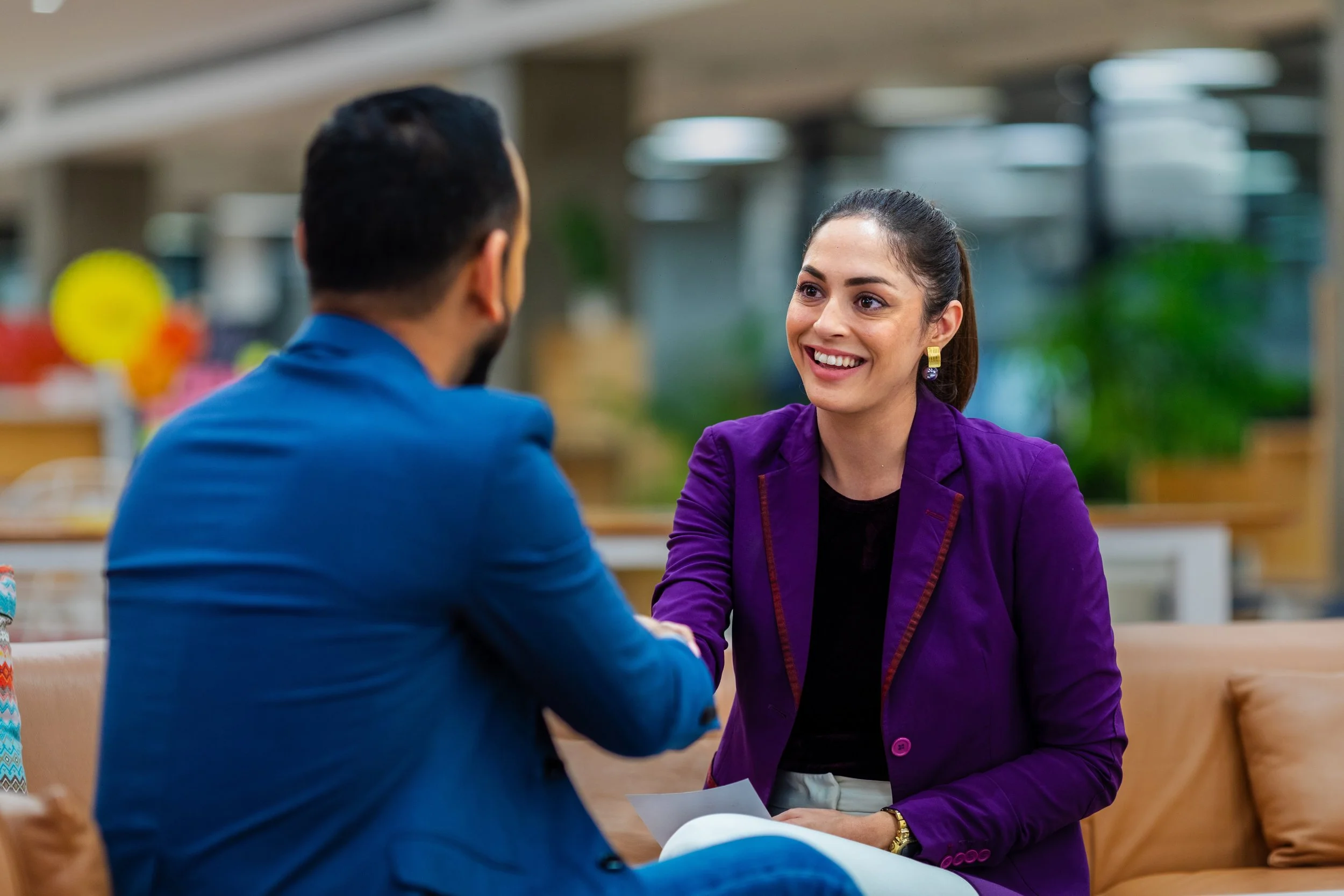
Stock images are quietly boring. Since the early days of Unsplash, which felt like a genuine refresh on what stock could be, we’ve drifted back to a place where every brand site looks like every other brand site. The same beige conference table. The same person laughing alone at a salad. The same outstretched hand holding a pen. Generic by repetition. It’s a problem most marketers know they have, and most marketers quietly tolerate.
We decided not to tolerate it.
The ten things stock got wrong for an Indian audience
When we tried to optimise our pages for the Indian (domestic) market, the problem compounded. Finding decent images of Indian faces, doing Indian things, in Indian rooms turned out to be harder than the global problem on its own. Here are the ten specific things that kept turning up:
- Regional and cultural gaps. Insufficient representation of India’s regional, linguistic, and cultural diversity.
- Inconsistent quality. Variability in image professionalism, resolution, and aesthetic standards.
- Overused images. The same dozen photographs, recycled across every ed-tech site in the country.
- Cultural inaccuracy. Traditions, customs, and symbols misrepresented to the point of being insensitive.
- Lack of inclusivity. Narrow representation across gender, profession, and class.
- Limited modern themes. Almost no images that read as contemporary Indian life, or modern Indian workplaces.
- Poor searchability. Weak tagging on stock platforms; finding a specific kind of image meant scrolling for hours.
- Outdated visual styles. Wardrobe, hardware, and rooms that hadn’t aged into the last decade.
- Licensing and cost issues. What little Indian-specific stock existed sat behind restrictive licences or just-expensive-enough pricing.
- Stereotypical representation. An over-reliance on festivals and traditional themes, almost nothing on the working Tuesday.
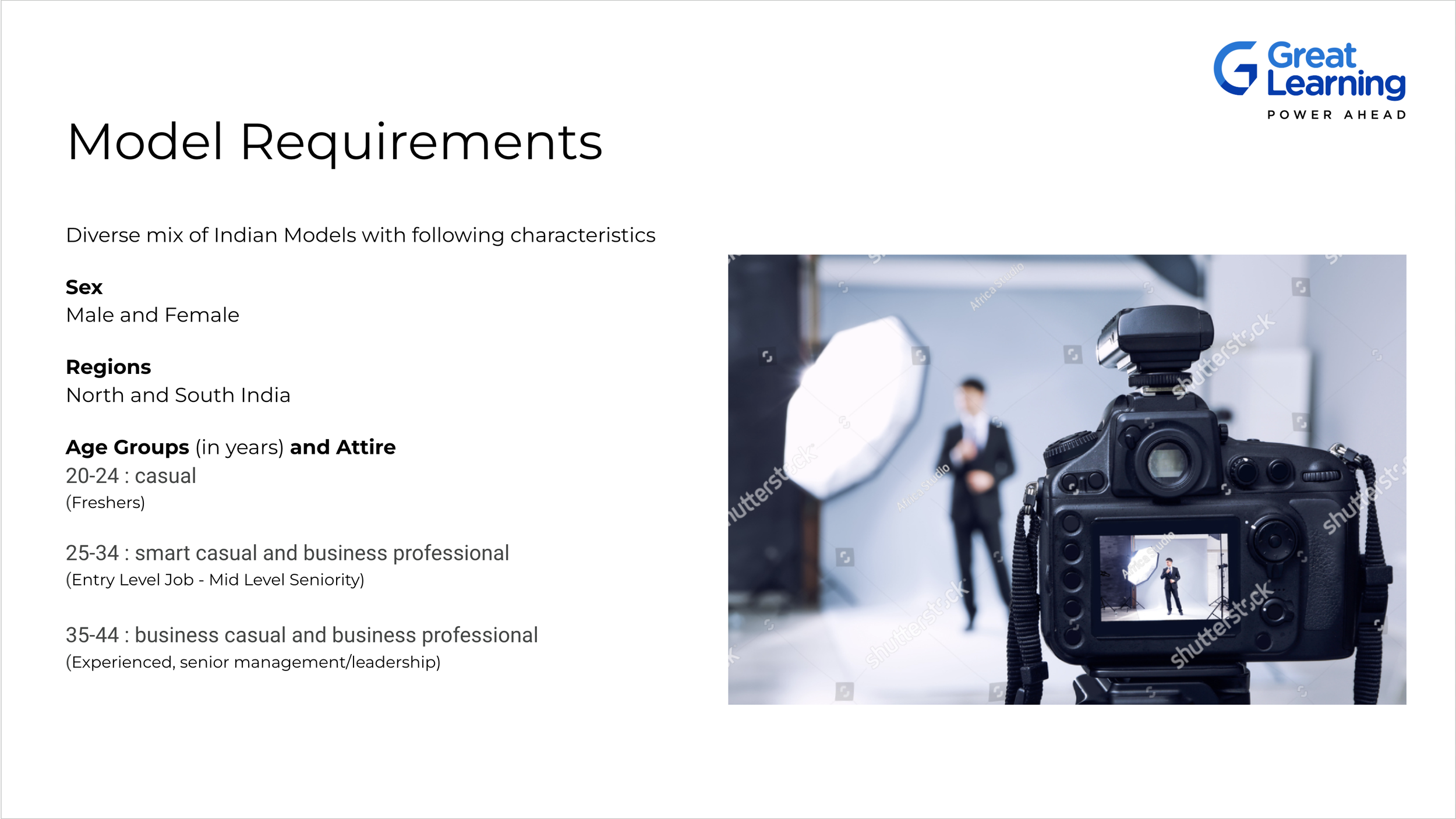
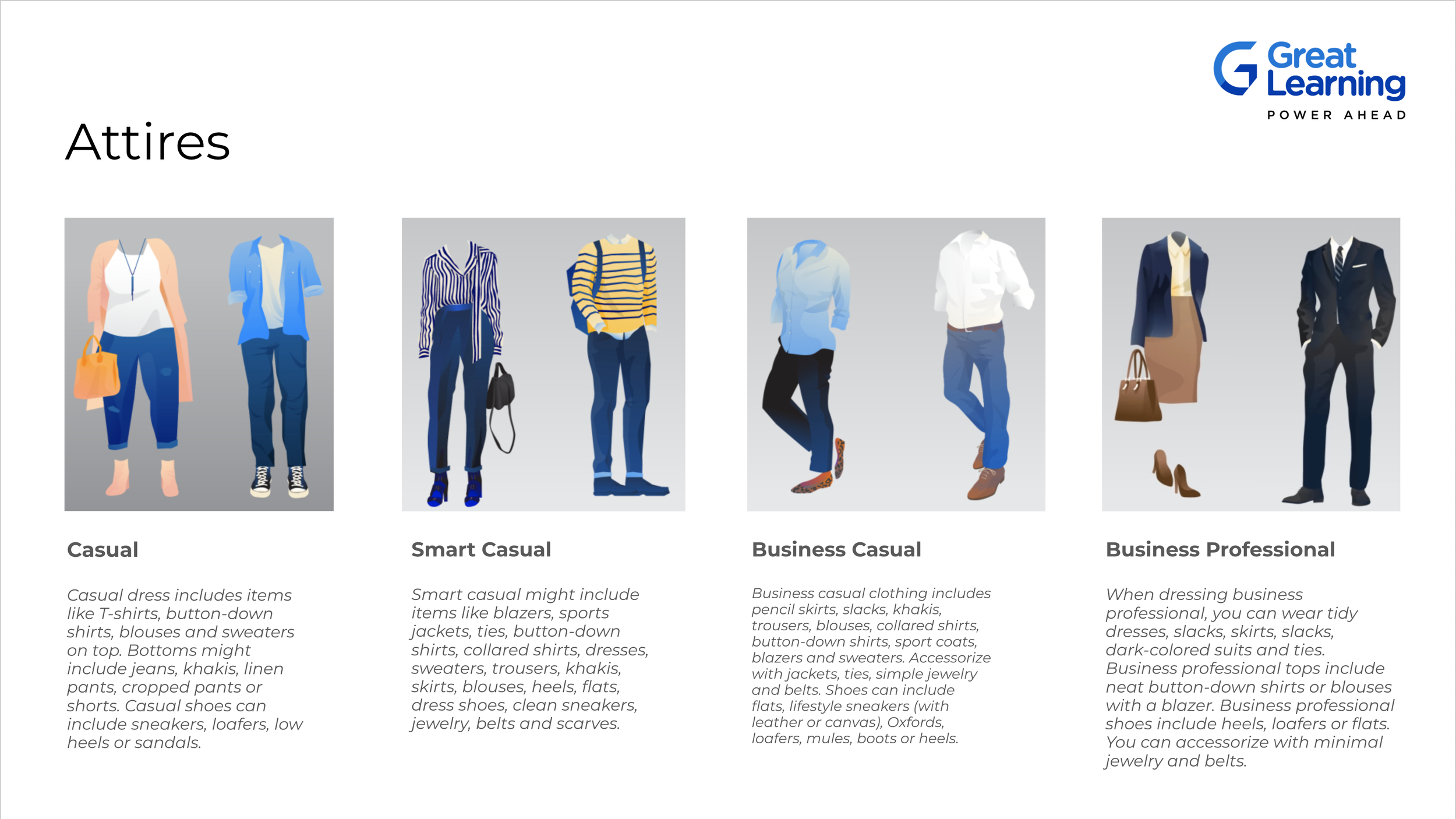
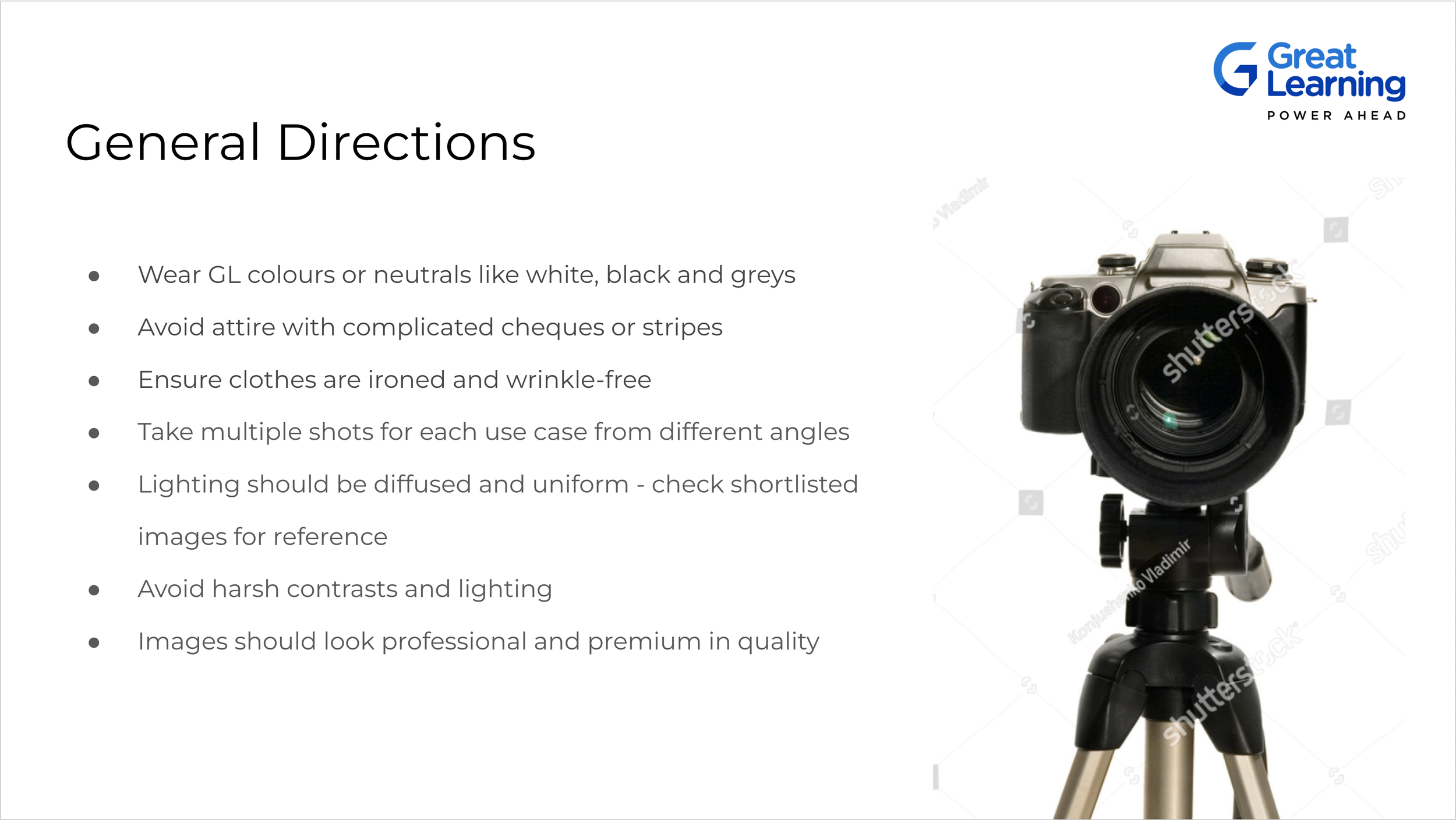
We recognised the gap in early 2022, and in September 2022 we made the call: stop buying stock; shoot it ourselves. The logistics looked daunting on day one. Most of them stayed daunting. We did it anyway.
The planning
Before we lifted a camera, we needed to be honest about three things: who we were shooting, what the scenes had to be, and where we could actually pull this off without burning the budget.
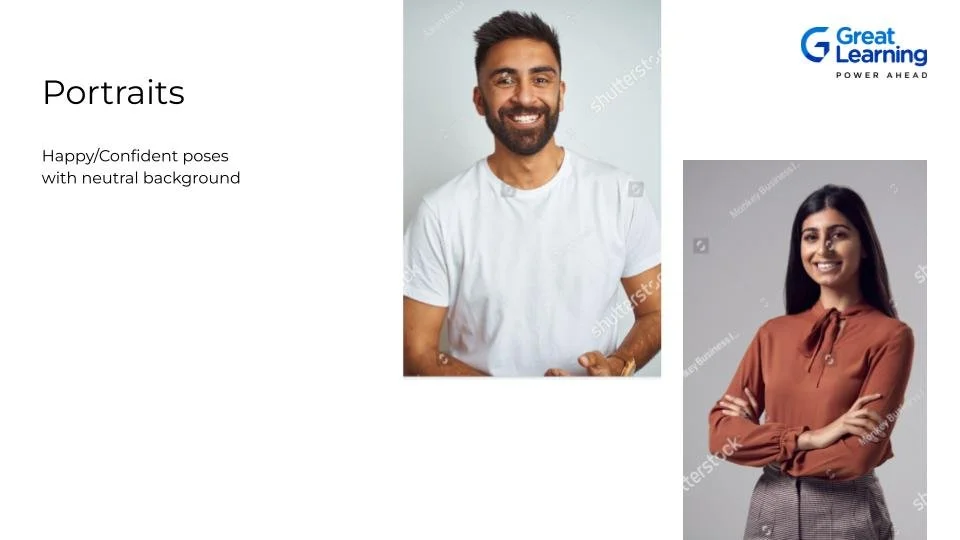
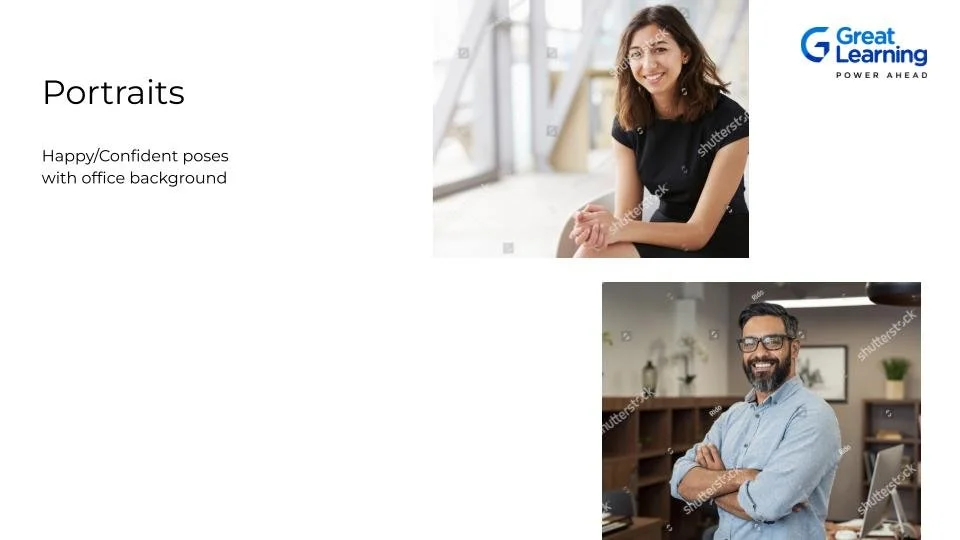
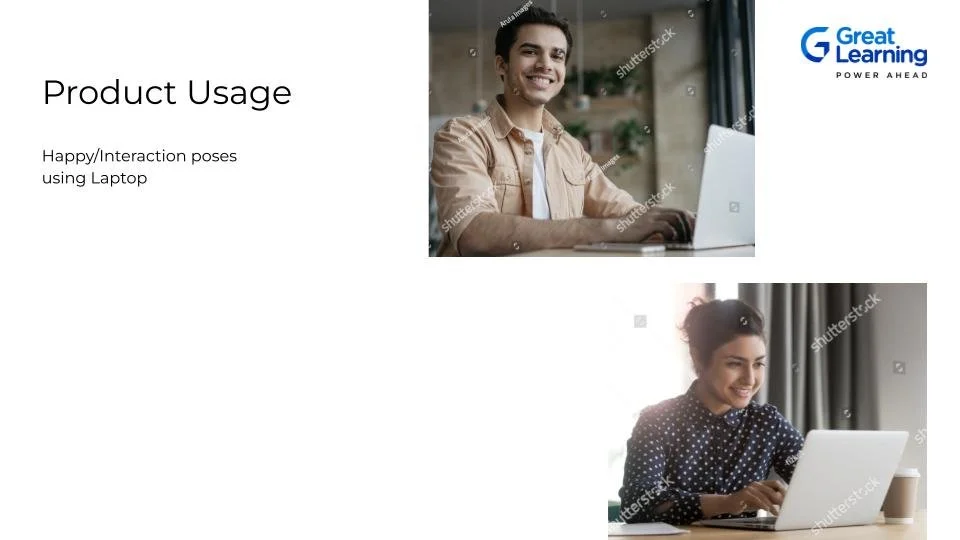
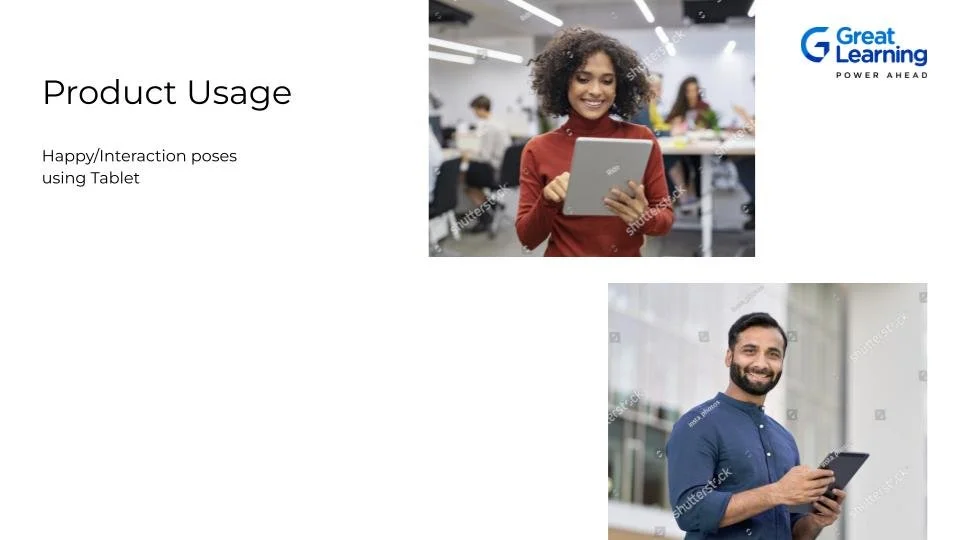
Whom to shoot, and why we said no to professional models
Professional models would have made the shoot easier and the photographs glossier, but the cost was real, and glossy was exactly the look we were trying to step away from. We wanted everyday people connected to a learning brand, not faces optimised for catalogue work. We auditioned and tested internal employees with simple, real-situation photos. Bangalore and Gurgaon both turned up enough volunteers to give us the diversity the brief needed.
We also wanted budget discipline. The whole point was to spend roughly what we’d otherwise have paid for stock and come back with something irreplaceable. Cheap-and-thoughtful, not cheap-and-amateur.
What to shoot
A short brief that survived the entire project: high-quality, relatable scenes, with people who actually look like our users, in their natural spaces. Wardrobe that matched what they’d wear on a Tuesday. Groups that represented real cohorts. Nothing staged into a stock-photo grimace.
Where to shoot
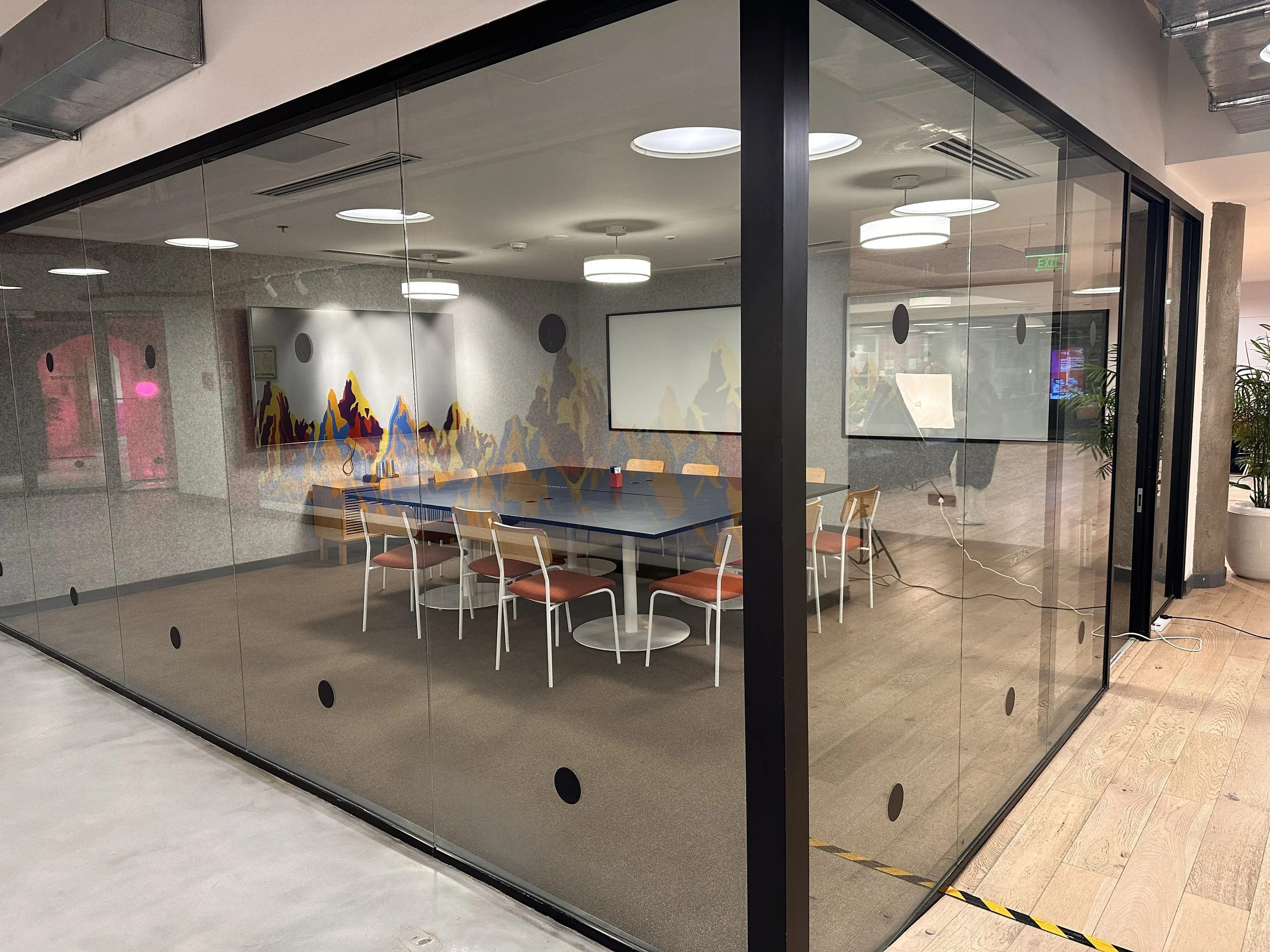
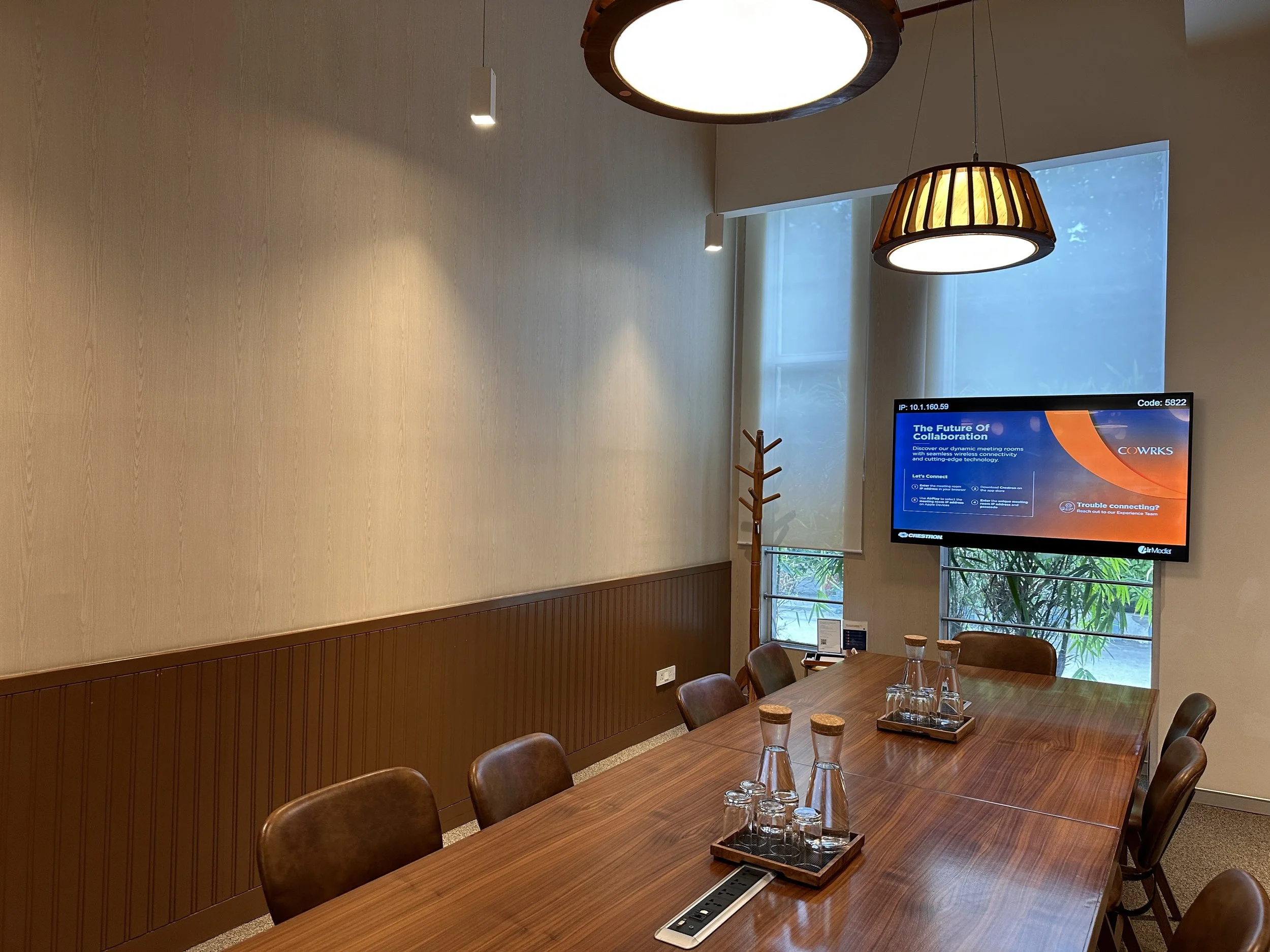
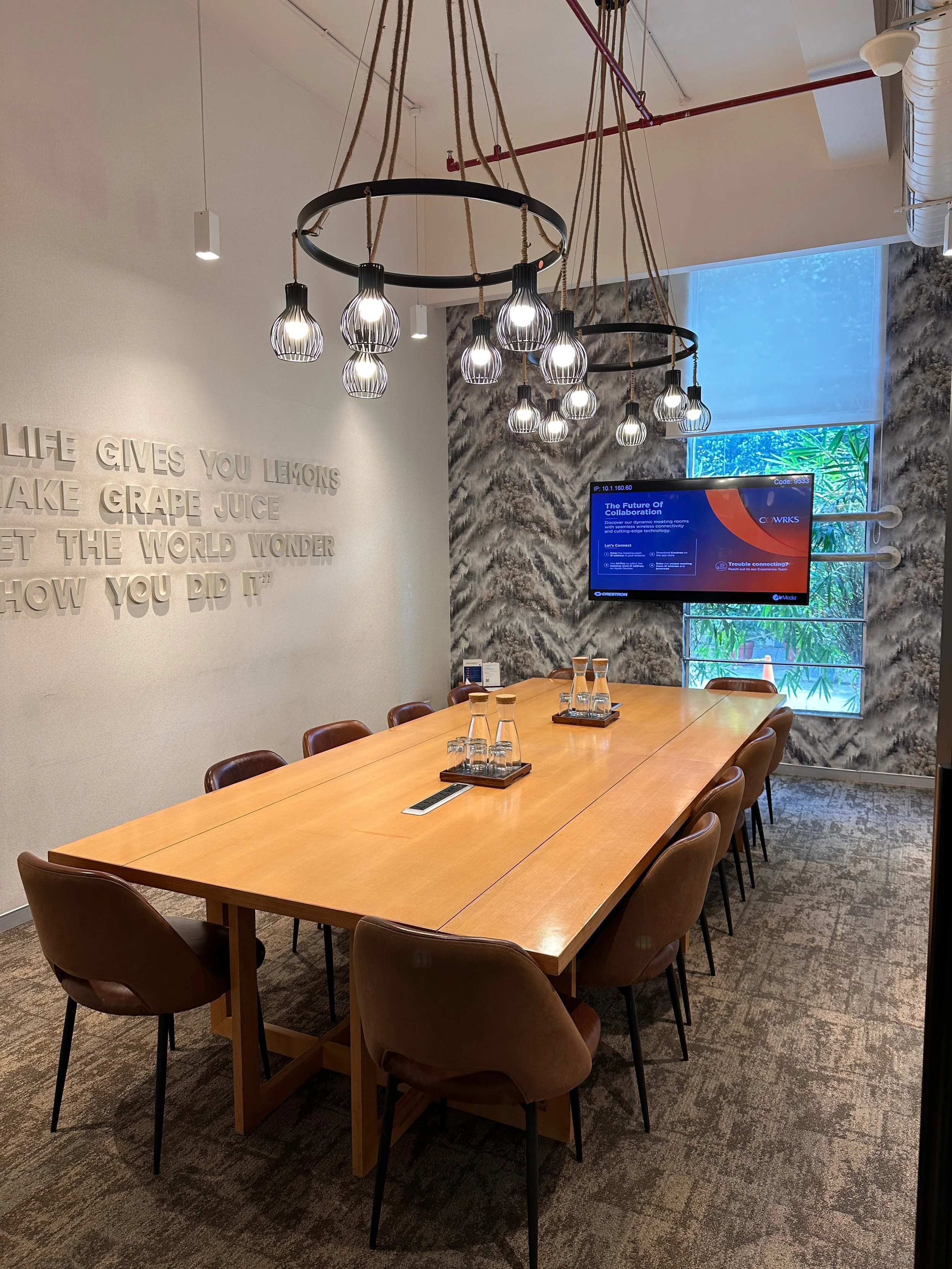
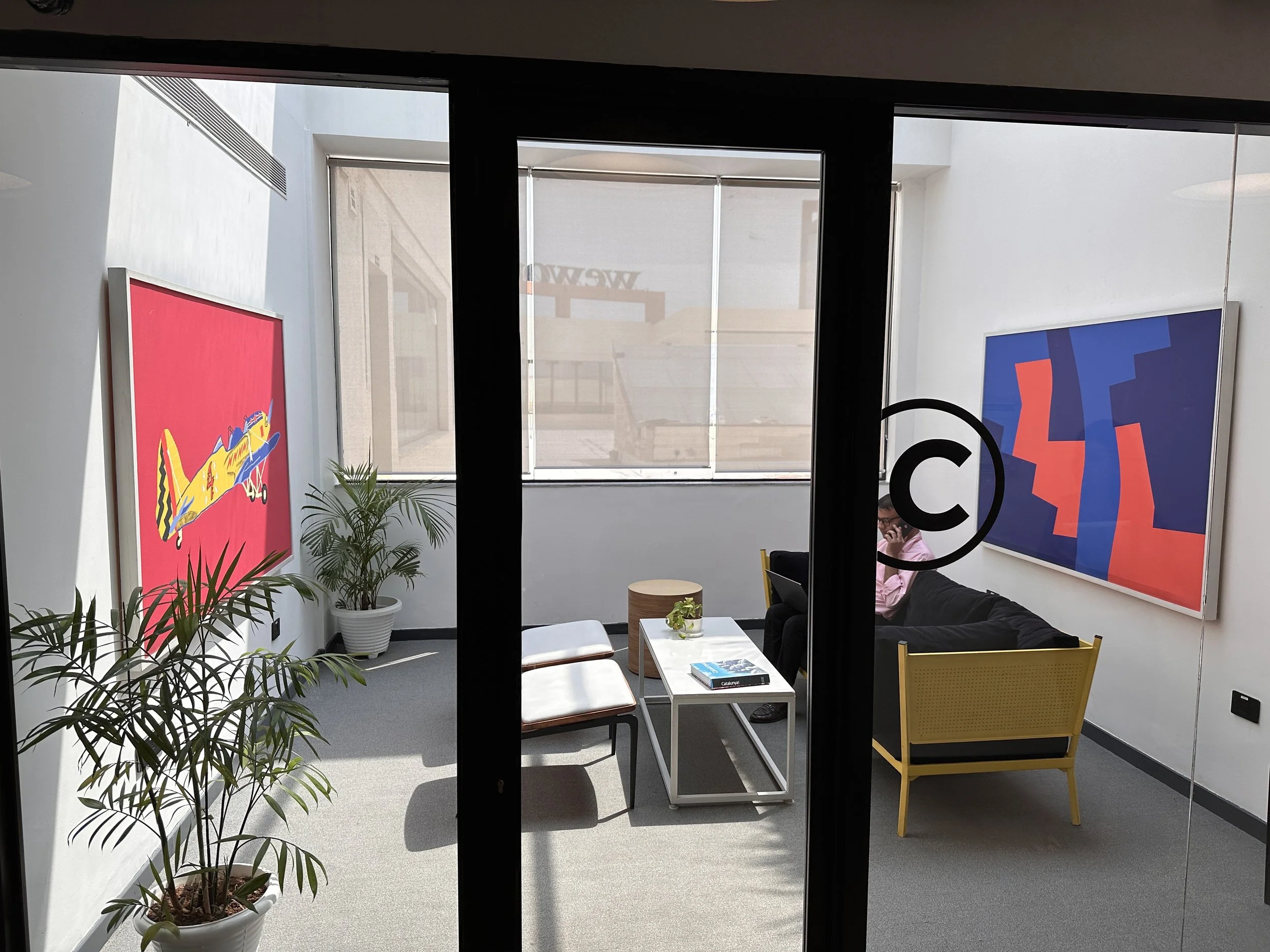
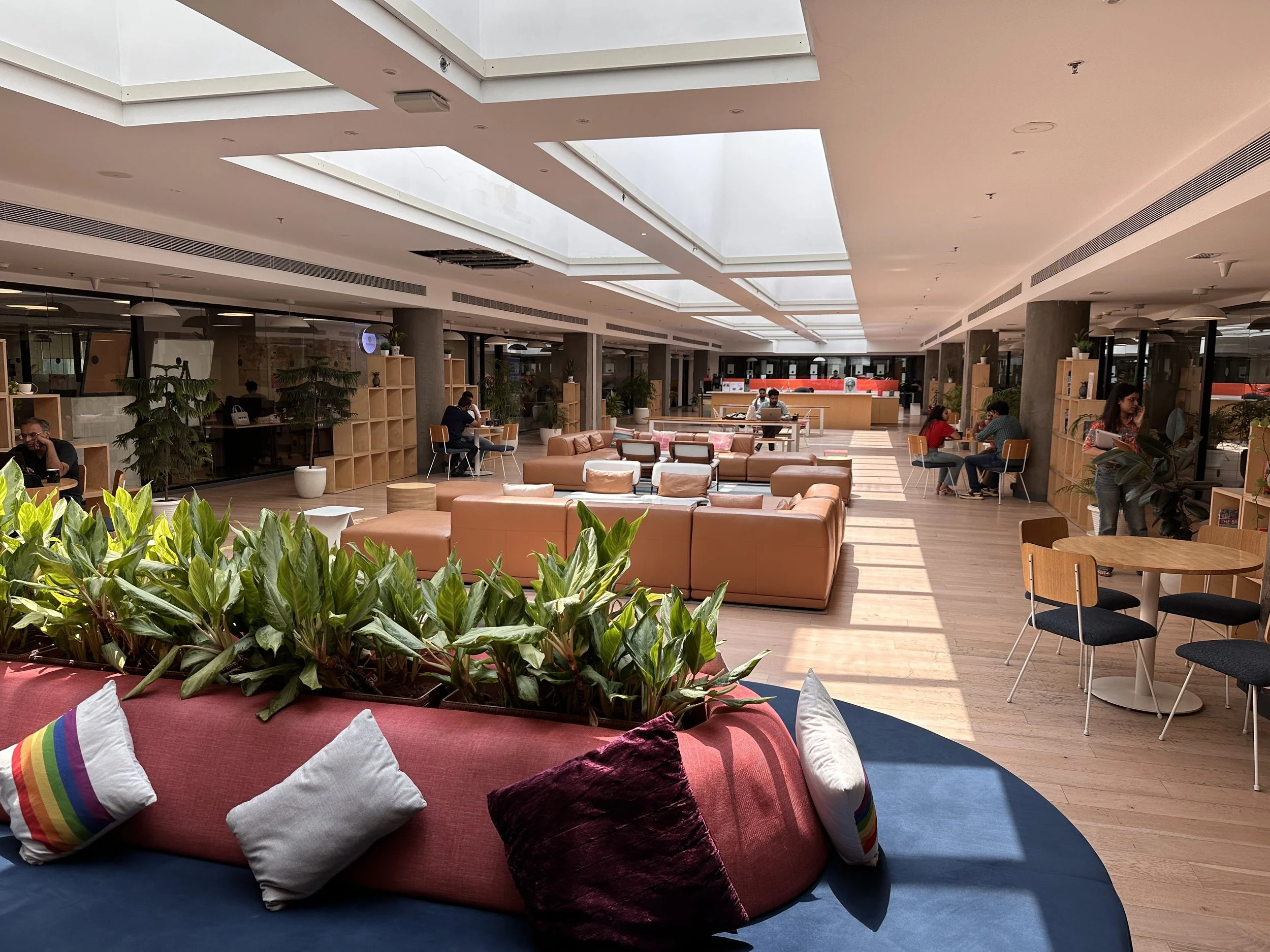
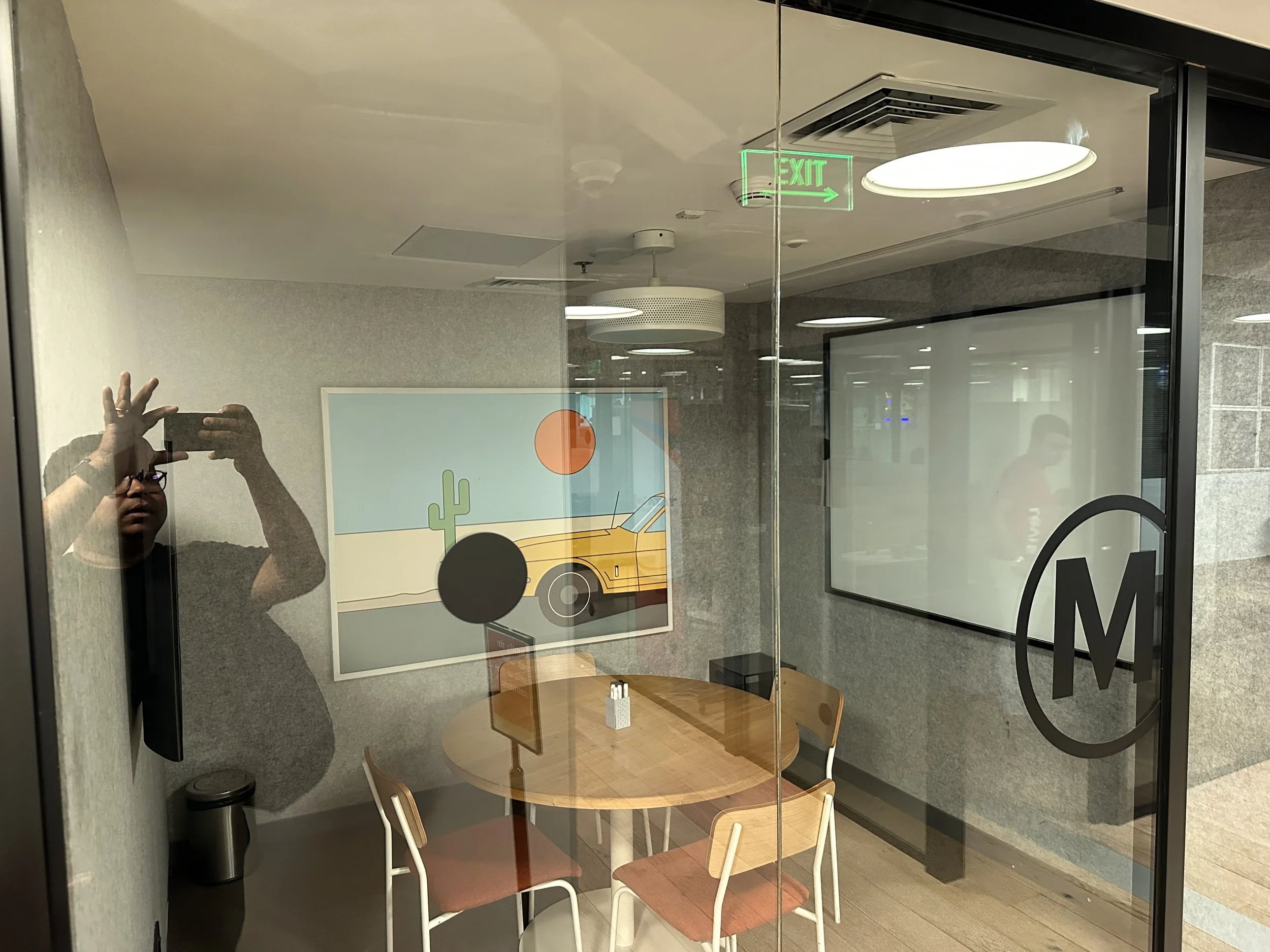
This was the part that almost killed the project. Paying for locations would have torched the budget. Shooting in our offices was awkward; they’re working offices on Tuesdays, after all. I worked the network and got lucky in Bangalore. A friend’s office sat empty for a week and had the exact look we wanted. Gurgaon wasn’t as kind. We rented a couple of WeWork floors and scouted what worked.
Behind the scenes
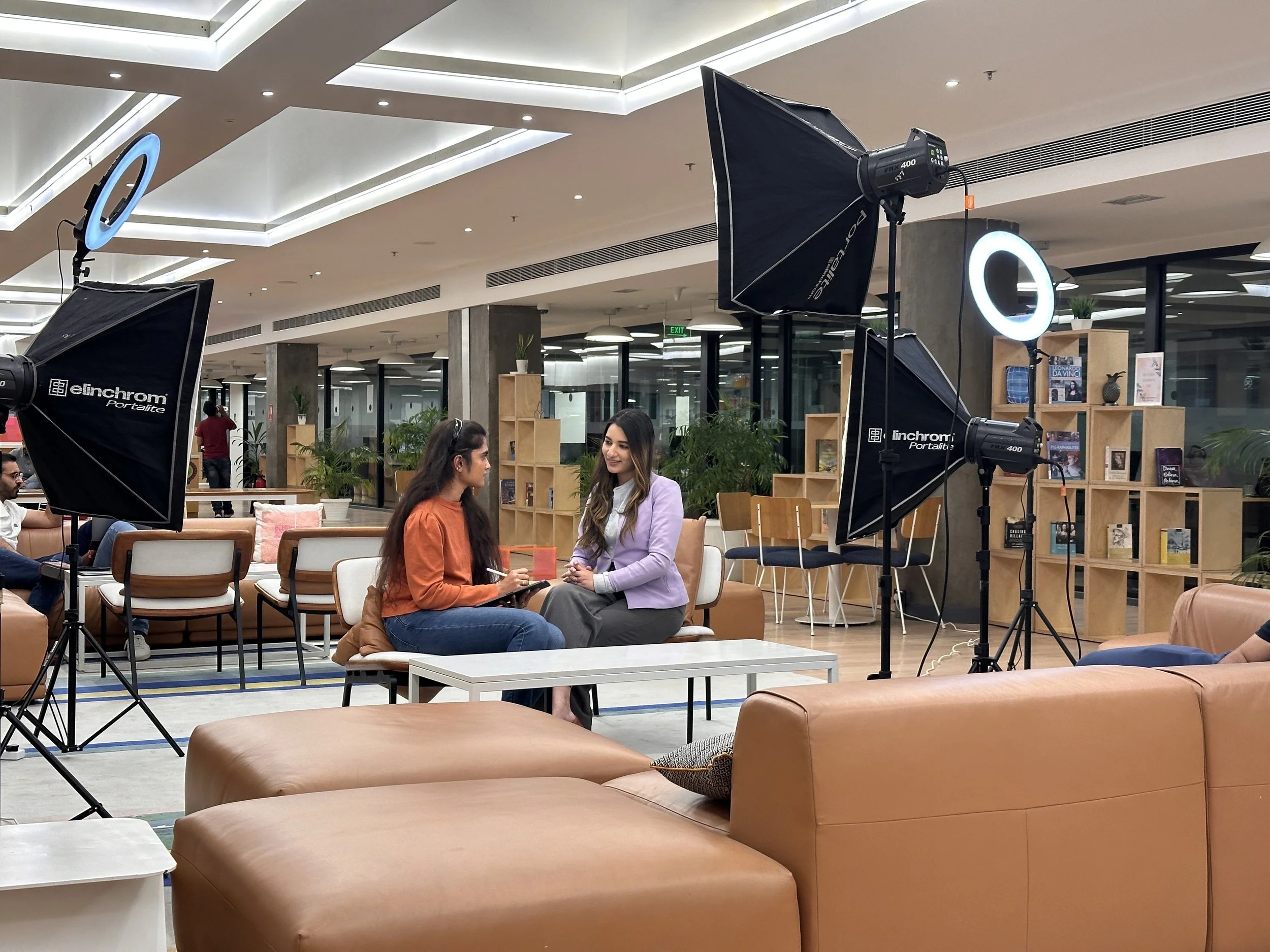
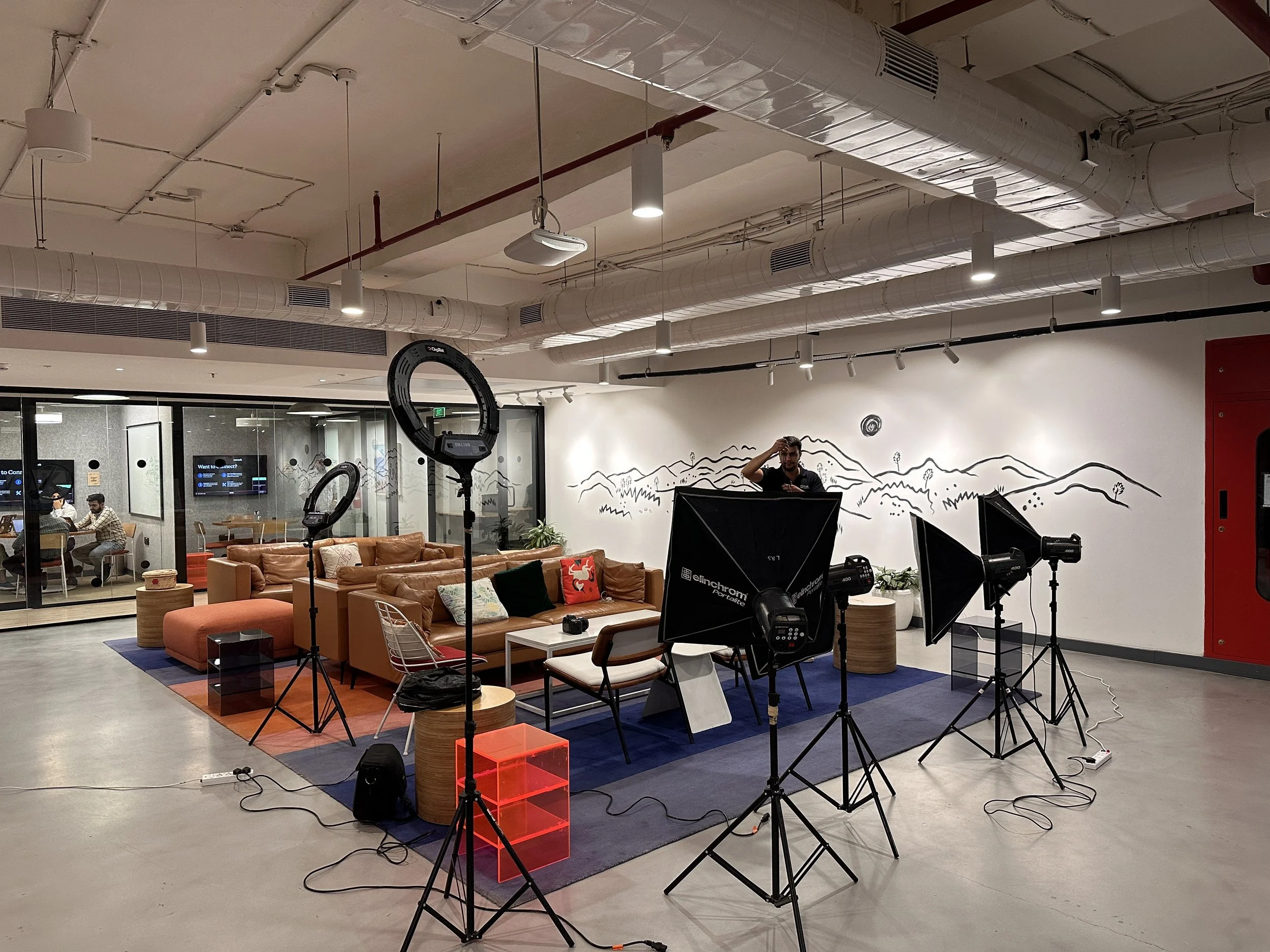
The work that didn’t end up on the brand site, but did the most to teach us what worked.
How the final images turned out
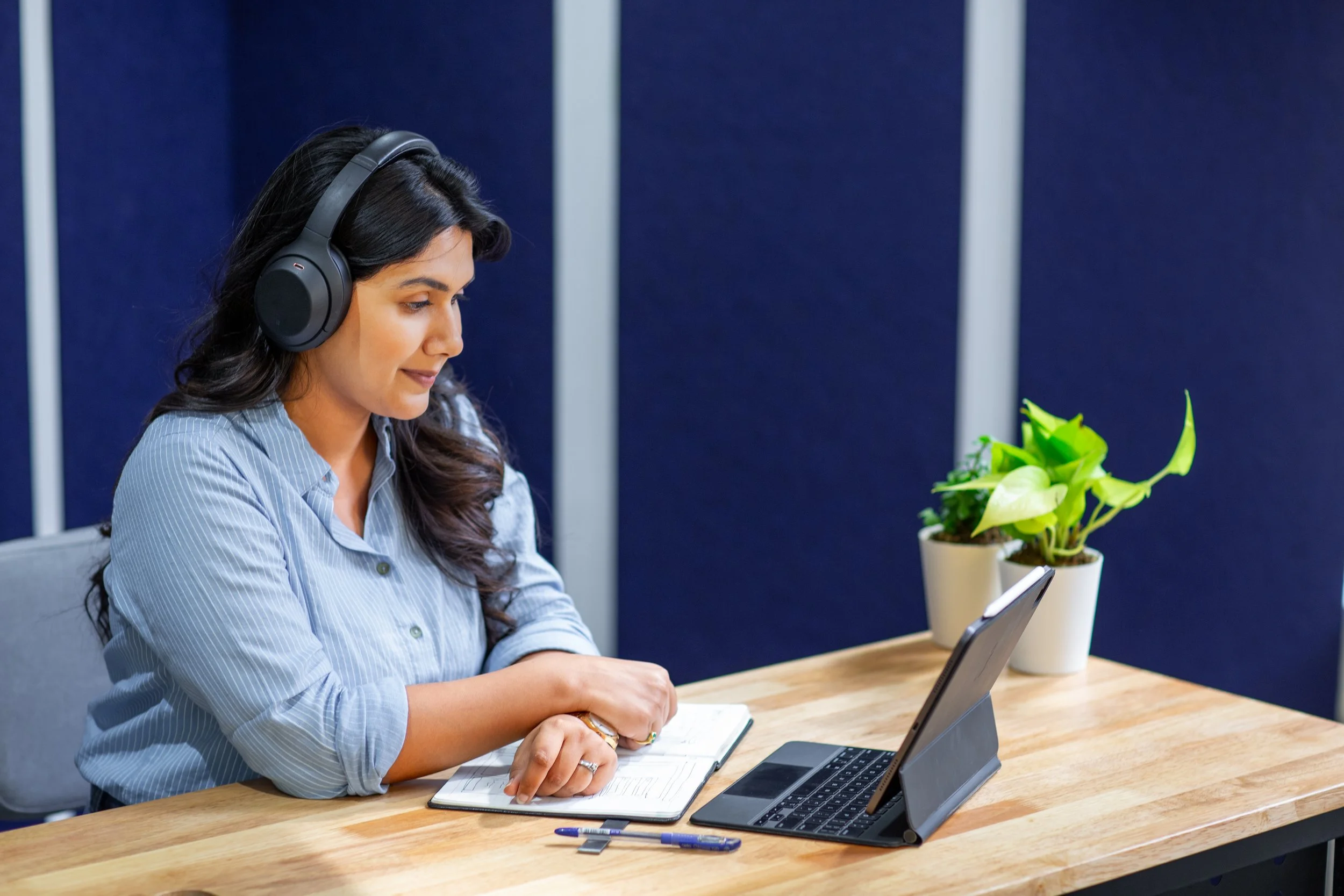
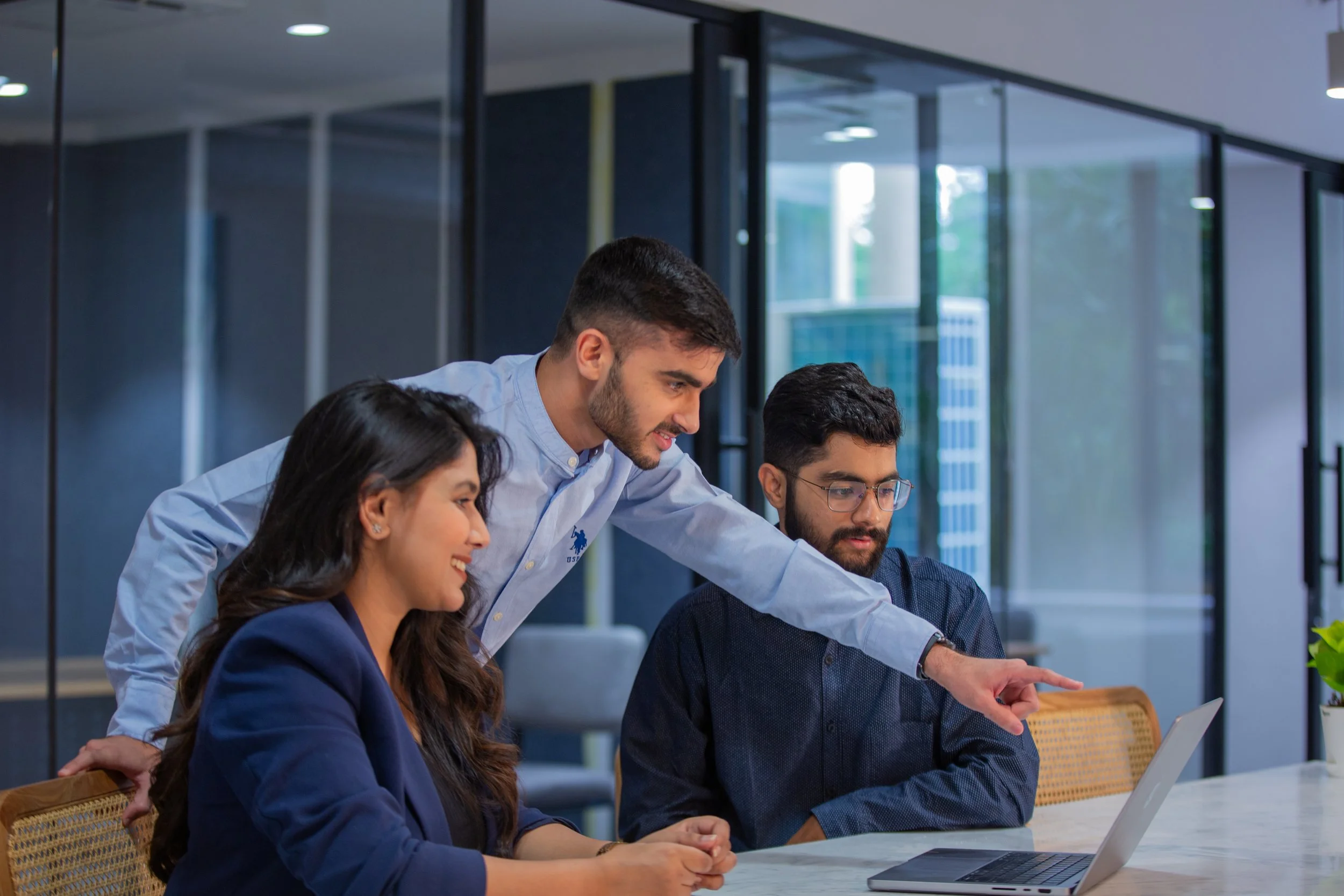
Eventually, after enough Tuesdays in enough rooms, the archive started filling up with frames that the brand had quietly been waiting for. People reading. People listening. People mid-conversation. Real laughs, real silences, no stock-CEO grins.
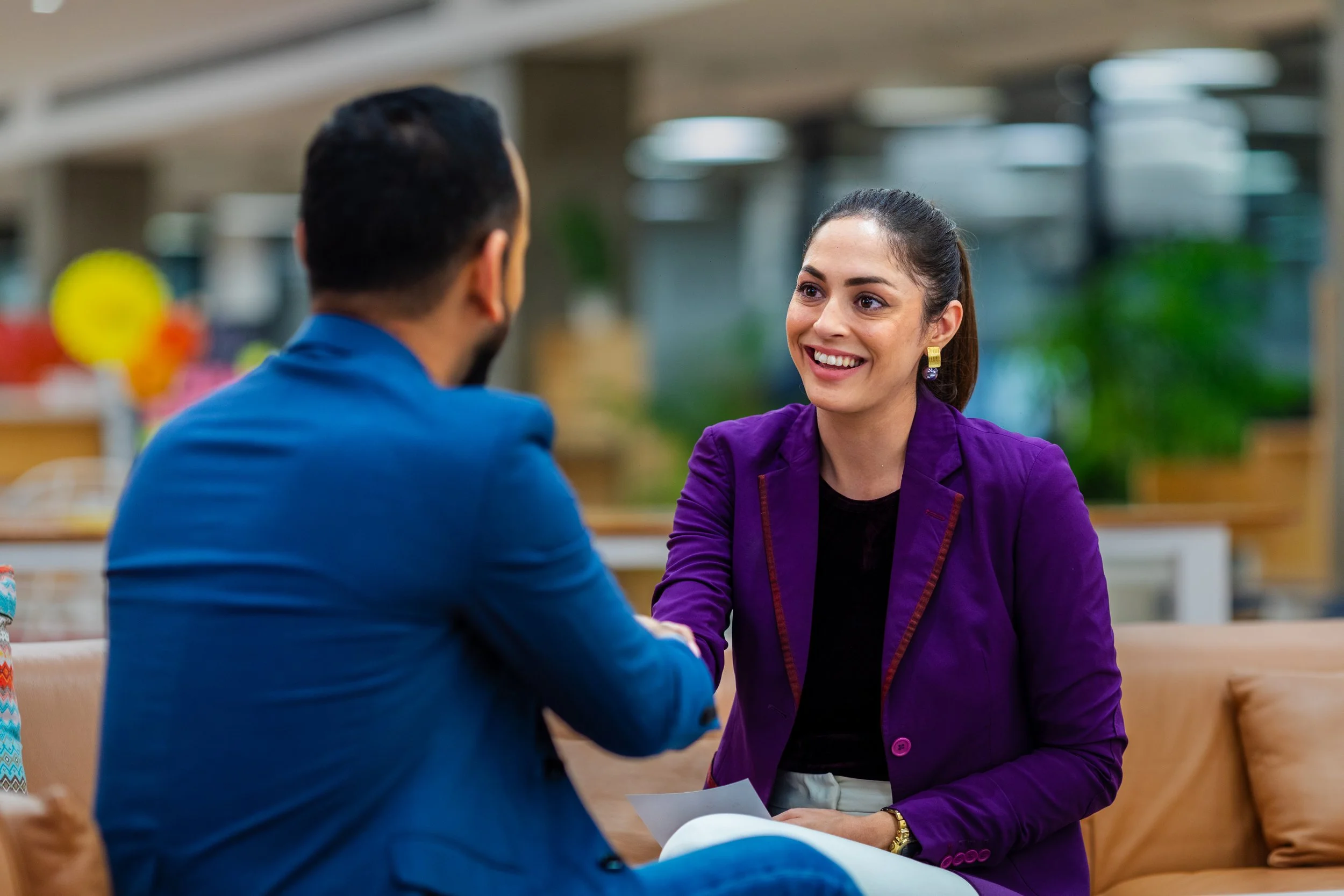

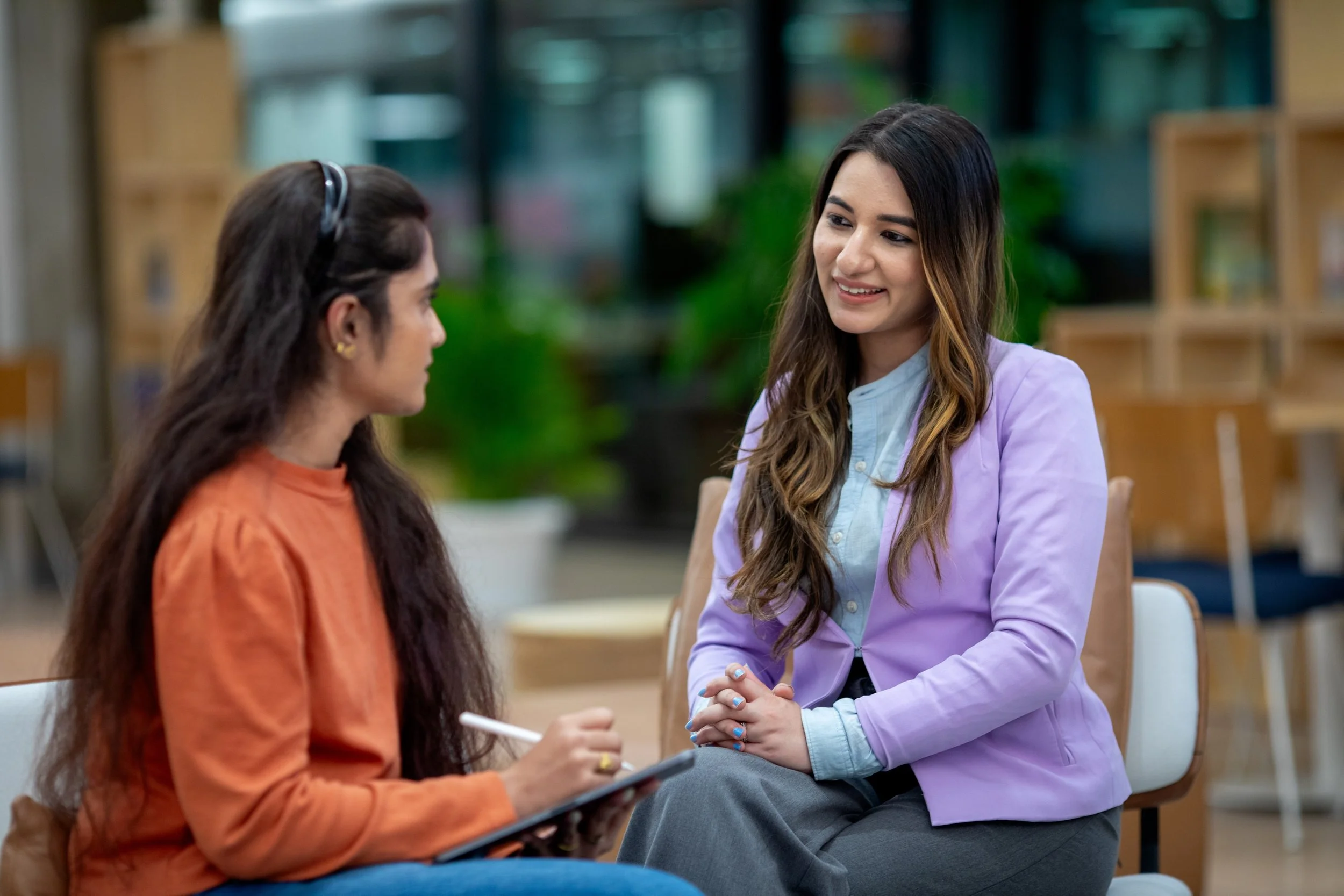
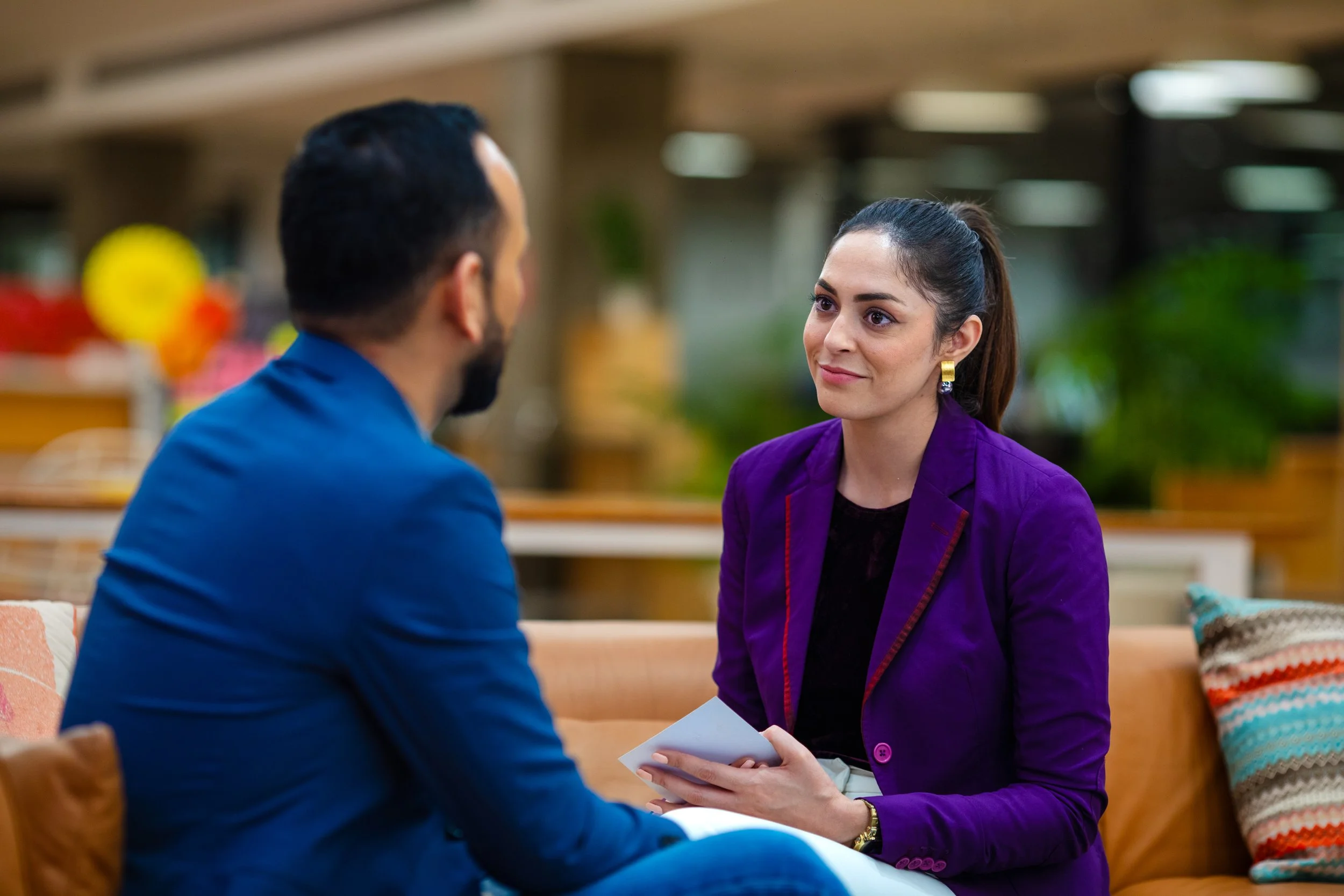
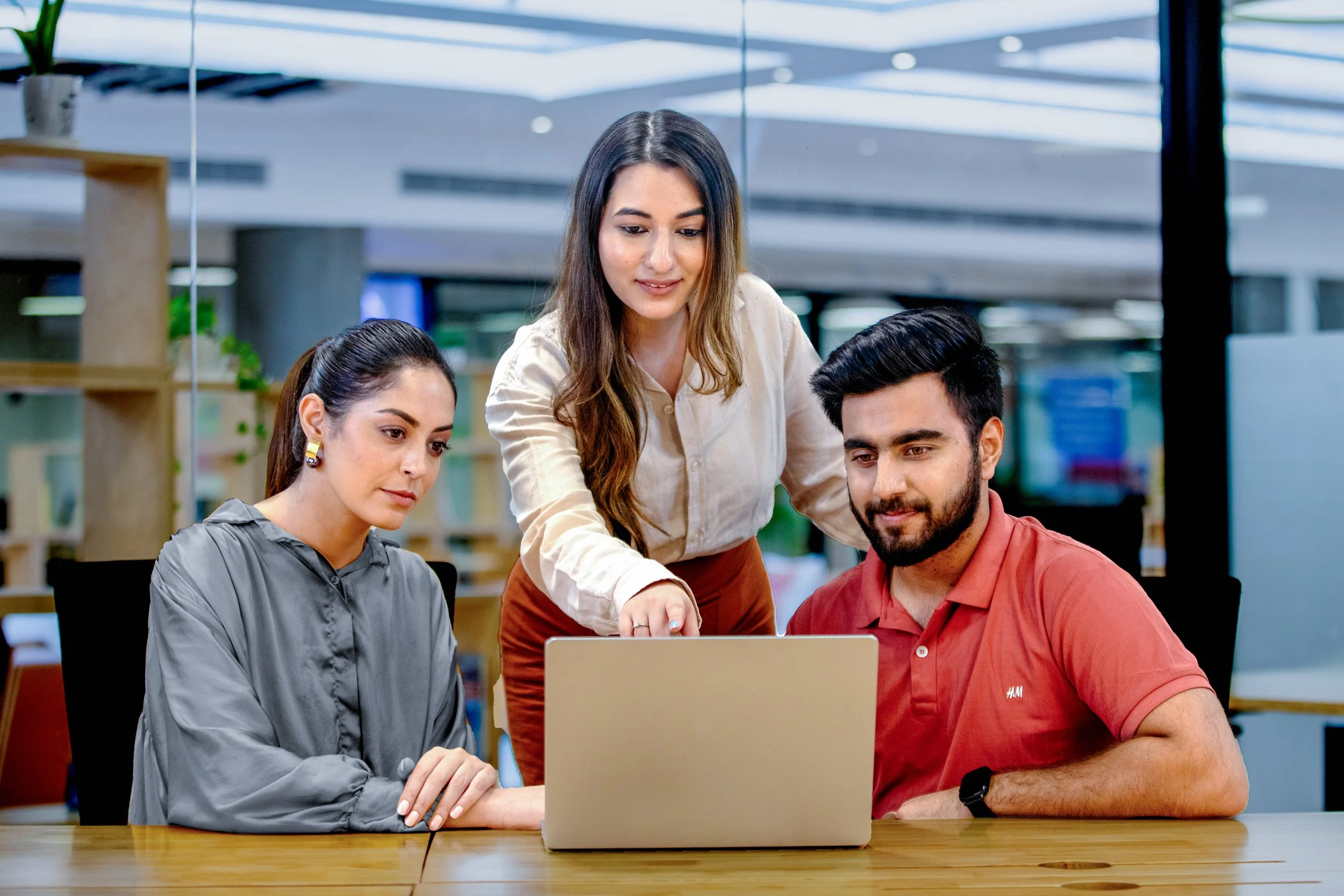
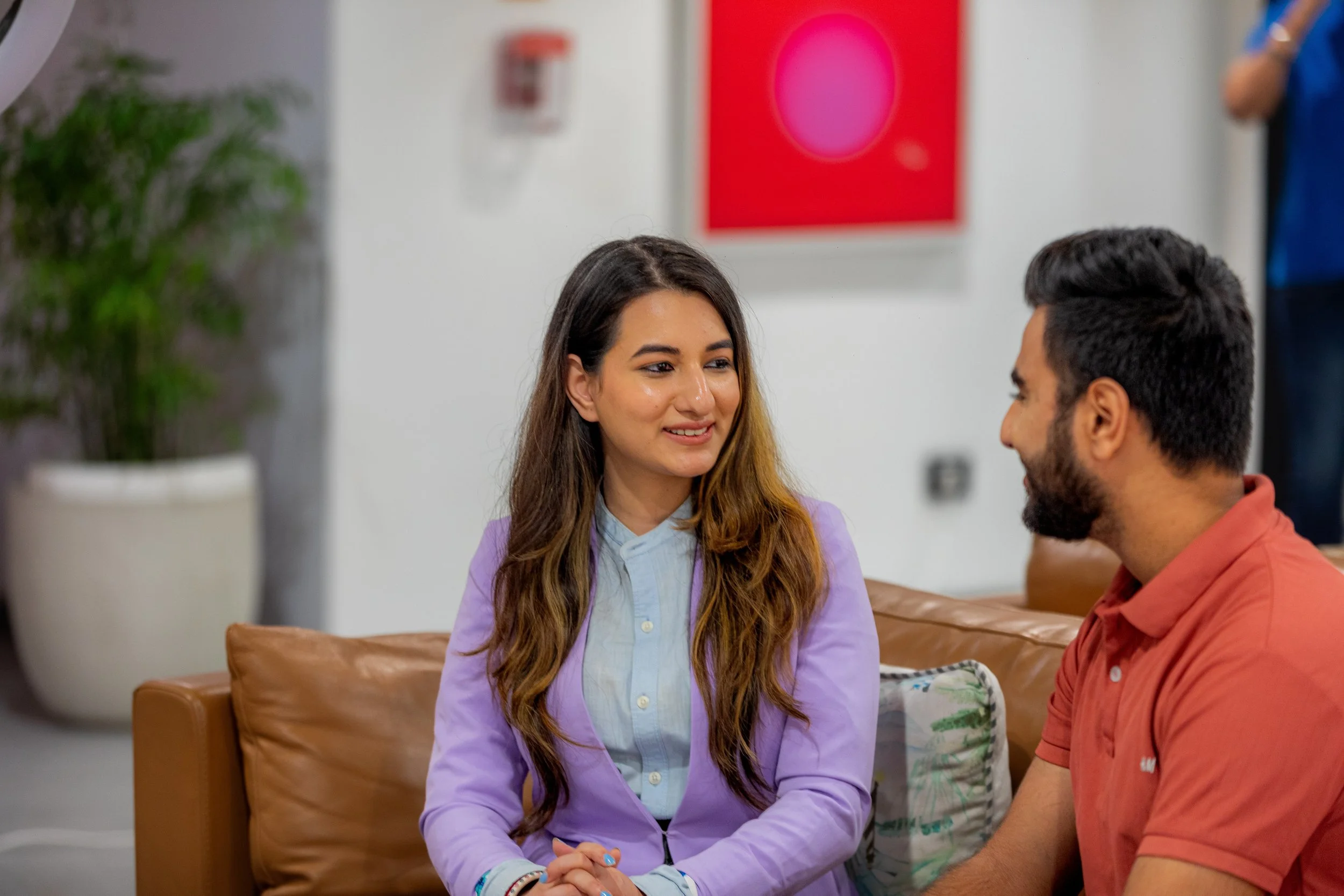
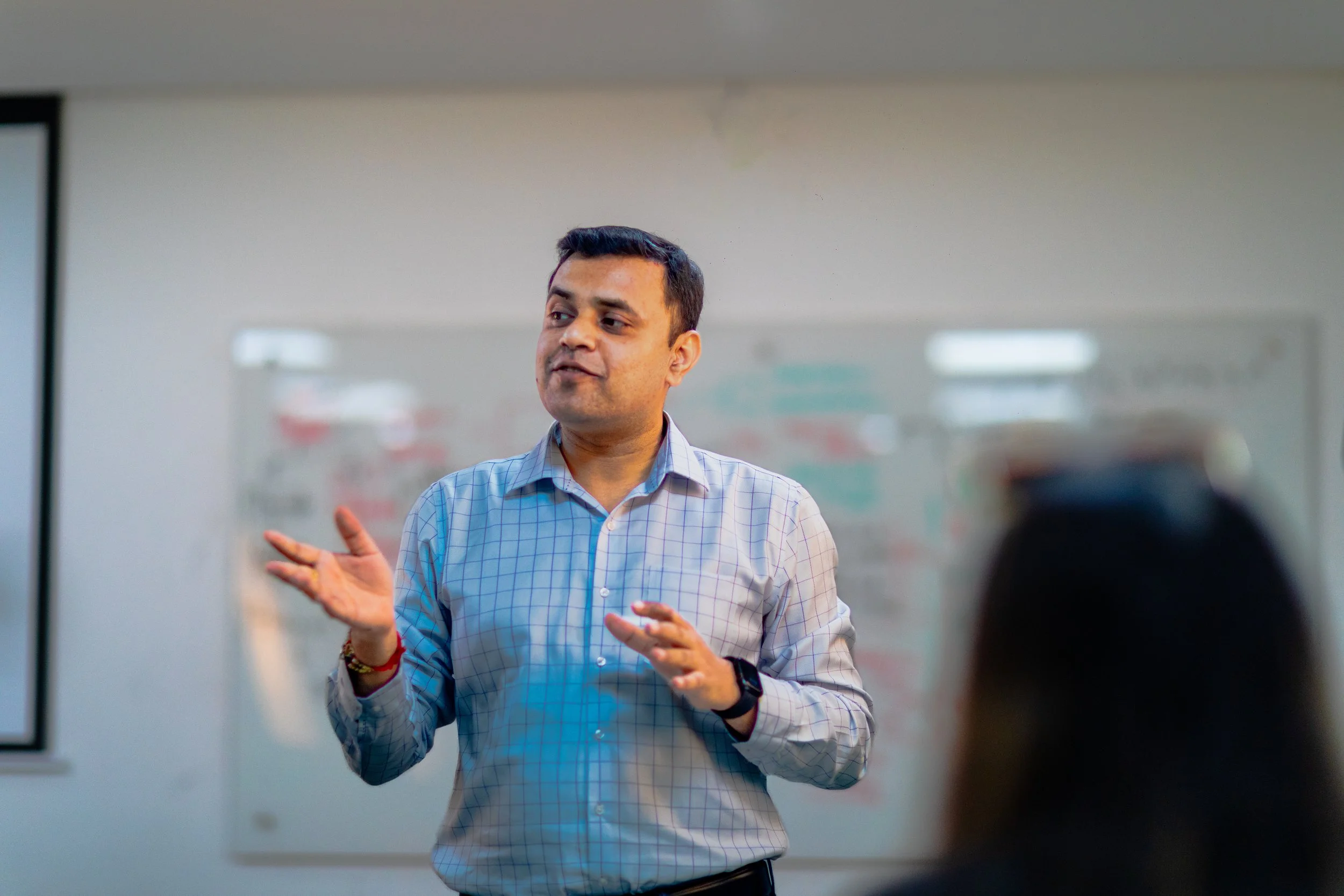
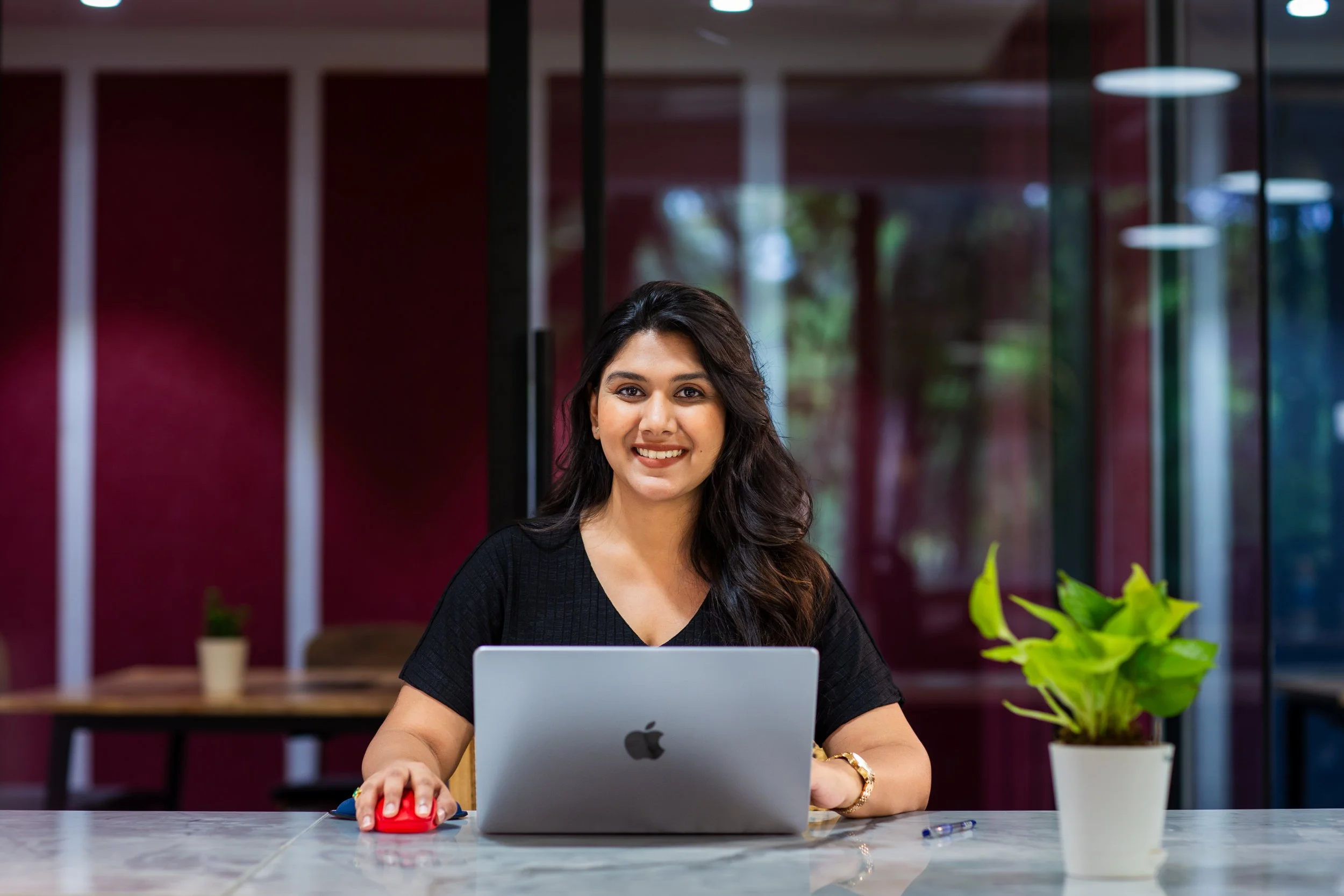
How they live on greatlearning.com
The proof of the work isn’t in the archive. It’s in what shows up when you load the homepage. Every hero image, every section break, every quiet supporting frame, replaced with the in-house work.

Let’s geek out on the camera gear for a minute
Full-frame, primes mostly, indoors. A short list that did most of the work:
- Canon 5D Mark IV. The workhorse for the entire shoot.
- Canon 70-200mm f/2.8. For the lifestyle frames where we needed compression and discretion.
- Canon 85mm f/1.4. Most of the portraits. The lens that earned its keep.
- Canon 135mm f/1.8. The one I wished we’d used more. Cinematic when it landed.
- Elinchrom Proto 400 (×2). Strobes with wireless triggers. No HSS support, but we were indoors, so it didn’t matter.
Art direction: the part nobody tells you about
We were photographers. Most of our subjects were not used to being photographed. That gap is most of the work.
Getting them to feel comfortable was tough, but by the fourth or fifth shot, they started to relax and act more naturally. The photograph we kept was almost never from the first hour.
Two things I underestimated:
The first hour is a warm-up. Plan for it. The frames that survived into the brand library were almost never from the first hour of any shoot. We learned to schedule the easy frames first (group shots, location work, anything that didn’t depend on someone forgetting the camera was there) and only attempt the heroes once the room had loosened.
Schedules slip more than location costs do. We budgeted for the rooms. We under-budgeted for the cost of pulling people out of their actual jobs for half a day. The Gurgaon shoots in particular ran long, which made the WeWork day-rate look generous by the end of it. Future shoots get tighter call sheets and a back-up list of people who agreed to be photographed only if the originals fell through.
The archive keeps growing. None of the photographs in it feature a smiling stock CEO. That, more than anything else, is the win we set out for.